? Overview of Holi Glory Race
The Holi Glory Race represents one of India's most dynamic and culturally significant festival games that combines traditional Holi celebrations with competitive racing elements. This unique game has captured the hearts of millions across India and beyond, blending vibrant colors with strategic gameplay.
✨ Key Insight: The Holi Glory Race isn't just a game—it's a cultural phenomenon that brings communities together during the spring festival season, promoting unity, joy, and healthy competition.
Originating from the northern regions of India, the Holi Glory Race has evolved from simple village competitions to organized events that attract participants from diverse backgrounds. The game's popularity stems from its ability to merge physical activity with cultural expression.

Participants in the Holi Glory Race immersed in vibrant colors and celebration
The core concept of Holi Glory Race involves participants navigating through colorful obstacle courses while being showered with traditional gulal (colored powders). This creates a visually stunning spectacle that embodies the spirit of Holi—the festival of colors.
? Gameplay Mechanics & Rules
The Holi Glory Race features intricate gameplay mechanics that balance physical skill with strategic thinking. Understanding these rules is essential for both participants and enthusiasts of this traditional Indian game.
Race Dynamics
Participants compete on a specially designed track filled with color stations, obstacles, and strategic points. The objective is to complete the course while collecting the most color points and achieving the fastest time.
Color Scoring System
Different colors carry different point values, with rare colors offering higher scores. Strategic collection and application of colors to designated targets forms a crucial part of the Holi Glory Race scoring methodology.
Defensive Techniques
Advanced players develop sophisticated defensive maneuvers to protect their collected colors while attempting to disrupt opponents' strategies. This adds a layer of psychological warfare to the physical competition.
The Holi Glory Race typically consists of multiple rounds, each with increasing difficulty and complexity. Quarter-finals, semi-finals, and the grand finale structure ensures only the most skilled color warriors reach the championship level.
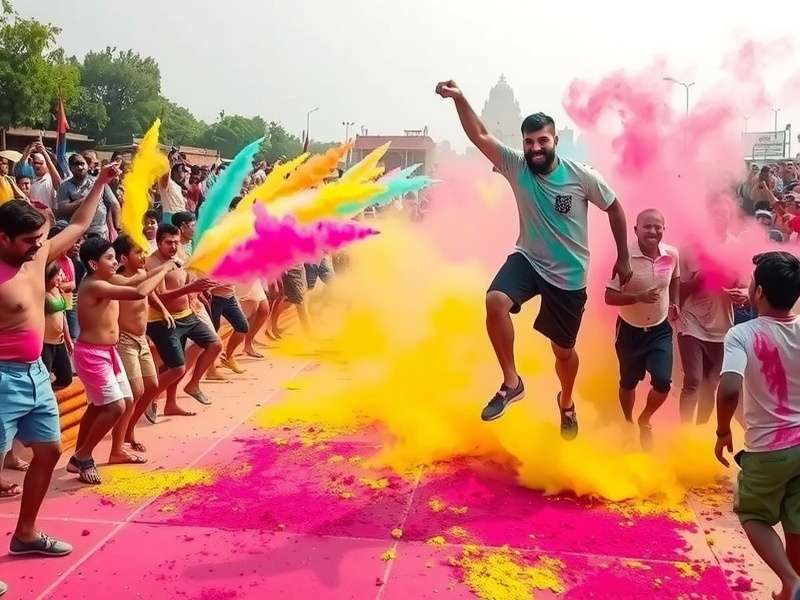
The intricate track design of a professional Holi Glory Race competition
Modern adaptations of the Holi Glory Race have incorporated technology, with electronic scoring systems and color-detection sensors that accurately measure performance and ensure fair judging across all competition levels.
? Historical Evolution
The origins of Holi Glory Race can be traced back centuries to rural Indian villages where Holi celebrations included informal racing competitions among young community members. These early versions laid the foundation for today's organized sport.
During the Mughal era, the game gained popularity in royal courts, where elaborate versions were developed with sophisticated rules and scoring systems. Nobility would sponsor competitions, offering substantial prizes to winners.
? Historical Milestone: The first officially recorded Holi Glory Race tournament took place in Vrindavan in 1892, establishing standardized rules that would shape the modern game.
The post-independence period saw a resurgence of traditional Indian games, with Holi Glory Race benefiting from renewed cultural pride. Regional variations merged into a more unified national standard during this period.
In the 21st century, Holi Glory Race has experienced unprecedented growth, with international competitions and television coverage bringing the game to global audiences. Digital platforms have further expanded its reach.
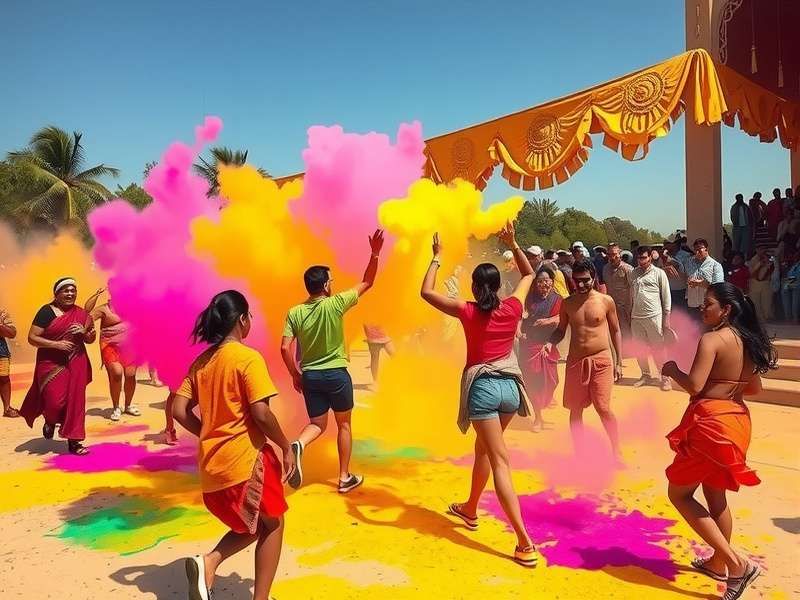
Artistic representation of Holi Glory Race in historical Indian celebrations
The establishment of the International Holi Games Federation in 2005 marked a significant milestone, providing official governance and promoting the Holi Glory Race as a legitimate competitive sport with global aspirations.
? Advanced Strategies & Techniques
Mastering the Holi Glory Race requires more than physical prowess—it demands strategic thinking, psychological insight, and deep understanding of color dynamics. Elite competitors spend years refining their approaches.
Color Collection Strategies
Successful players develop sophisticated color collection methodologies, prioritizing high-value colors while maintaining a balanced portfolio. The timing of collection significantly impacts overall scoring potential.
Obstacle Navigation
The Holi Glory Race course features numerous physical challenges that test agility and problem-solving skills. Advanced techniques include the "Color Slide" and "Powder Vault" maneuvers.
Psychological Warfare
Mental tactics play a crucial role in high-level competition. Distracting opponents, predicting movements, and controlling the pace of the race are essential skills for championship contenders.
? Champion's Tip: The most successful Holi Glory Race competitors maintain flexibility in their strategies, adapting to changing course conditions and opponent behaviors in real-time.
Training regimens for professional Holi Glory Race athletes include color recognition drills, obstacle course repetitions, and strategic simulation exercises. Nutrition and mental preparation are equally important components.
Recent technological advancements have introduced analytics to Holi Glory Race training, with motion sensors and color tracking software providing detailed performance metrics for competitors seeking improvement.
? Cultural Significance & Impact
The Holi Glory Race extends far beyond mere entertainment, serving as a powerful cultural touchstone that reinforces community bonds and preserves traditional values in modern contexts.
In Indian society, the game functions as an intergenerational bridge, with elders passing down techniques and strategies to younger participants. This knowledge transfer strengthens family and community connections.
? Community Builder: The Holi Glory Race has been instrumental in fostering social harmony, bringing together people from different castes, religions, and economic backgrounds in shared celebration.
The game's emphasis on vibrant colors carries deep symbolic meaning, representing the diversity of Indian culture and the beauty that emerges when different elements come together in harmony.
Internationally, the Holi Glory Race has become an ambassador for Indian culture, introducing global audiences to Holi traditions through an accessible and exciting competitive format.
Educational institutions have incorporated Holi Glory Race into their cultural programs, using the game to teach students about Indian traditions, teamwork, and strategic thinking in an engaging manner.
The economic impact of the Holi Glory Race cannot be overstated, with tourism, merchandise, and event hosting generating substantial revenue while promoting local artisans and color manufacturers.
As the Holi Glory Race continues to evolve, it maintains its core cultural values while adapting to contemporary contexts, ensuring its relevance for future generations of participants and enthusiasts.
? Future Developments
The trajectory of Holi Glory Race points toward continued growth and innovation, with several exciting developments on the horizon that will shape the future of this beloved traditional game.
Technological integration represents the most significant area of development, with augmented reality applications and virtual reality training platforms currently in development stages. These innovations will make the Holi Glory Race accessible to global participants regardless of physical location.
Environmental sustainability has become a priority for organizers, with research underway to develop biodegradable colors and eco-friendly course materials that maintain the vibrant visual appeal while reducing ecological impact.
? Innovation Spotlight: The International Holi Games Federation is exploring electronic color projection systems that could create dynamic, changing courses during competitions, adding unprecedented strategic depth to the Holi Glory Race.
Competitive structures continue to evolve, with proposals for league systems, professional teams, and international championships that would elevate the Holi Glory Race to the level of mainstream global sports.
Educational initiatives are expanding the reach of Holi Glory Race, with school programs and community workshops introducing new generations to the game's cultural significance and competitive excitement.
The potential inclusion of Holi Glory Race in international multi-sport events represents the next frontier, with advocacy efforts underway to demonstrate the game's appeal and competitive integrity to global sporting bodies.
As research continues into the health benefits of participation in Holi Glory Race, medical and fitness communities are showing increased interest in the game as a form of holistic exercise that combines physical activity with cognitive challenges.
The enduring appeal of Holi Glory Race lies in its perfect balance of tradition and innovation, ensuring its place as a cherished cultural practice while embracing opportunities for growth and evolution in the modern world.